
Fresh produce does not give you much room for error.
From harvest to shelf, every touchpoint introduces risk. Temperature shifts, handling, moisture loss, and time all work against product quality. The difference between product that sells and product that gets discarded often comes down to one thing.
Packaging.
When packaging is aligned to how produce actually moves through the supply chain, it does more than contain a product. It protects value at every stage.
Fresh produce packaging directly influences three critical outcomes:
Shelf life
Packaging needs to support natural respiration while protecting against dehydration and environmental exposure. The right balance of airflow and barrier helps maintain freshness and extend sellable life.Waste reduction
Damage rarely happens all at once. It builds over time through bruising, compression, and moisture issues. Packaging designed for real handling conditions helps reduce product loss across harvesting, packing, and distribution.Retail performance
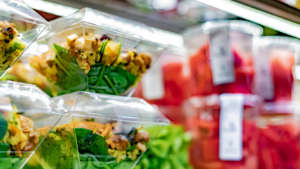
Produce is a visual category. Packaging must protect the product while showcasing color, texture, and freshness. Strong presentation directly impacts purchasing decisions.
It is rarely one major failure that causes issues. More often, it is a series of small misalignments:
Too little ventilation leading to condensation
Too much airflow accelerating dehydration
Materials that cannot withstand stacking or transport pressure
Formats that protect the product but limit visibility on shelf
Individually, these seem manageable. Together, they reduce shelf life, increase shrink, and impact how products show up at retail.
Produce packaging does not operate in a controlled environment. It moves through fields, packing facilities, distribution centers, and retail displays. Each step introduces variability.
Effective packaging accounts for:
High volume handling and movement
Variability in product size, weight, and sensitivity
Rapid shifts in temperature and humidity
The need for both protection and visibility
The challenge is balance.
Improving one area can impact another. Increasing airflow can reduce moisture but shorten shelf life. Adding protection can limit visibility. Lightweighting can impact durability. The goal is not to optimize one variable. It is to align all of them.
Consumer expectations around freshness, quality, and sustainability continue to rise. At the same time, retailers are more focused on reducing shrink and improving shelf performance. Packaging sits at the center of both. It influences how long products last, how they look, and how much of it actually gets sold.
Improving performance does not always require a complete overhaul. Often, it starts with understanding how your current packaging is performing and identifying where small changes can make a meaningful impact.
If you are looking to extend shelf life, reduce waste, or improve retail performance, it starts with a closer look at your packaging. Reach out to our team to explore solutions designed to support your produce operation from harvest through shelf.