
Prepared foods are built for speed, convenience, and variety.
New products are constantly entering the market. Portions are changing. Formats are evolving. Consumer expectations continue to rise around freshness, quality, and ease of use. Behind all of it is a simple reality.
Packaging has to keep up.
What starts as a product concept quickly becomes an operational challenge. Packaging needs to work on the line, protect the product, meet food safety requirements, and still deliver on shelf. When those pieces are not aligned early, issues show up later.
And usually, they show up fast.
The most successful prepared food programs treat packaging as part of the product from the beginning, not something added at the end.
Because getting from concept to shelf is not just about design. It is about performance.
Prepared food packaging needs to deliver across multiple priorities at once:
Production performance
Packaging must run consistently on automated equipment without slowing down throughput or creating disruptions.Product protection
Freshness, texture, and quality must hold through refrigerated or frozen distribution environments.Consumer convenience
Formats need to support portioning, easy handling, and preparation whether microwaveable, ovenable, or ready to eat.Retail presentation
Packaging must showcase the product while maintaining durability across handling and display.
Balancing these priorities is where many operations run into challenges.
It often starts with good intent. A new tray format. A different film. A packaging change driven by cost or sustainability goals. But if those decisions are not aligned with how the line runs or how the product moves through distribution, problems follow.
Common friction points show up quickly:
Materials that do not seal consistently at speed
Packaging that performs in testing but fails under real production conditions
Formats that improve shelf appeal but slow down throughput
Solutions that protect the product but create challenges in preparation or use
Individually, these issues can be managed. Together, they create inefficiencies that impact production, cost, and product quality.
Prepared food packaging does not exist in one environment. It moves through multiple stages, each with its own demands:
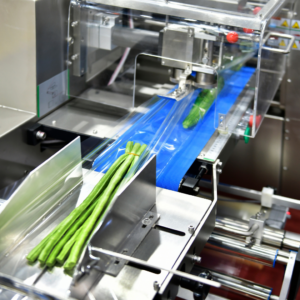
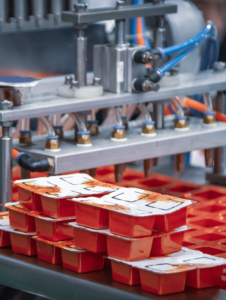
High speed production lines
Temperature controlled storage and distribution
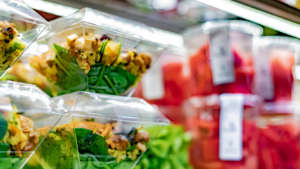
Retail display environments
Consumer handling and preparation
Each stage places different requirements on packaging. The more those requirements are aligned early, the smoother everything runs later.
That is why smarter packaging strategies start with a more connected approach.
Instead of solving for one moment, the focus shifts to the full lifecycle. Materials are evaluated based on how they perform in real conditions. Formats are selected with both production and end use in mind. Packaging decisions are made with input from operations, quality, and supply chain.
The result is not just a better package.
It is a system that works together.
Prepared foods will continue to evolve. New formats will emerge. Speed to market will only increase. And the pressure to deliver both convenience and quality will not slow down.
Packaging plays a central role in making that possible.
If you are developing new prepared food products or looking to improve how your current packaging performs, it starts with taking a closer look at how everything connects.
Reach out to our team to explore packaging strategies designed to move your products from concept to shelf with confidence.